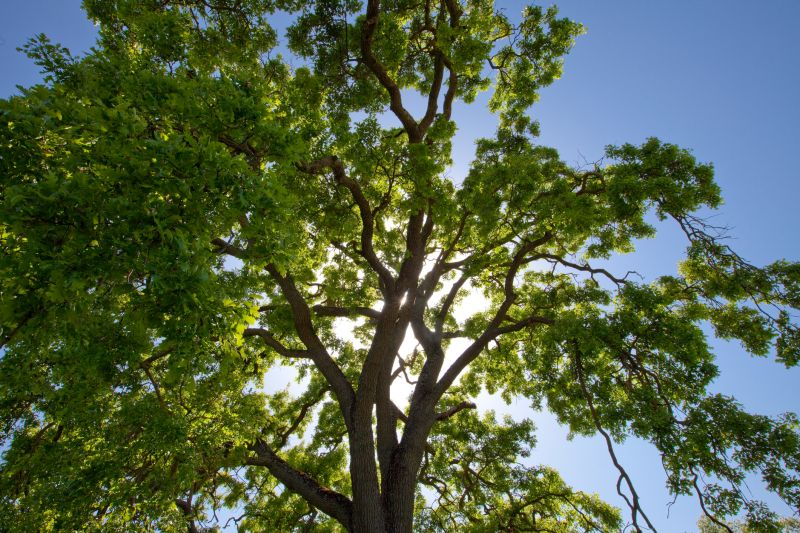
Tree Canopy Thinning in San Jose, CA
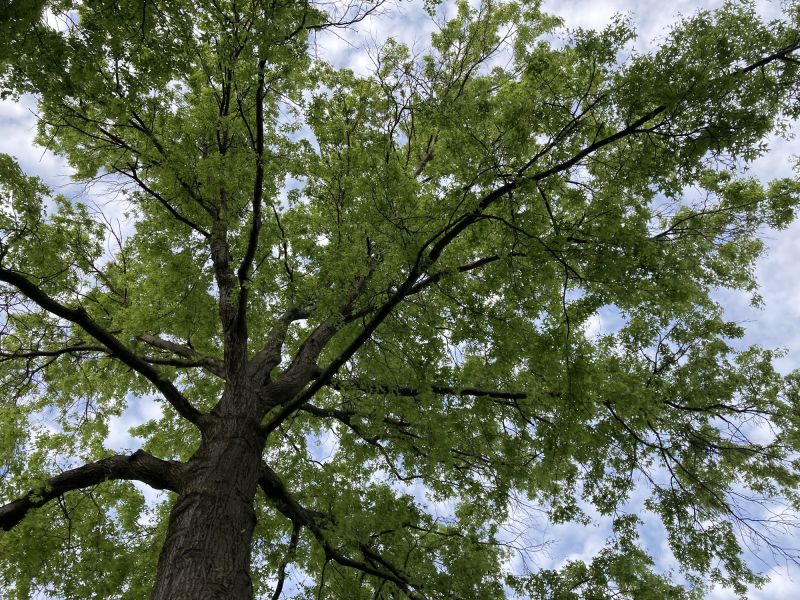
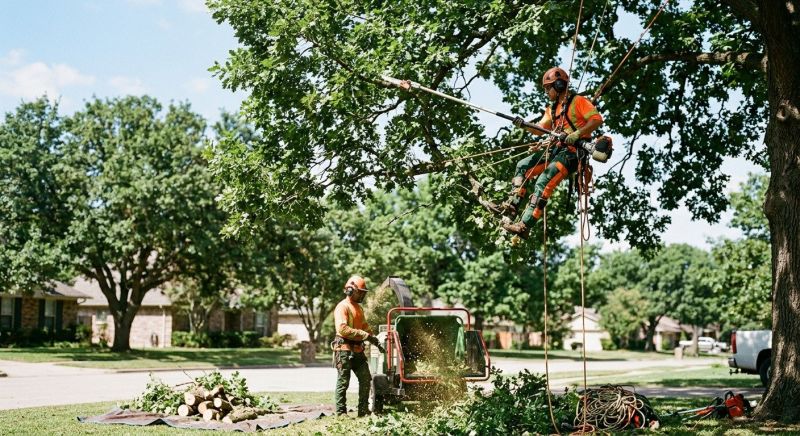
Tree canopy thinning services involve selectively reducing the density and size of tree branches and foliage to improve the overall health, safety, and appearance of a property. This process is often requested for projects such as reducing excessive shading, preventing potential storm damage, improving air circulation, or maintaining the aesthetic balance of the landscape. Property owners typically want to understand which trees can be safely thinned, how the process affects the tree’s vitality, and what the expected outcomes are for their specific property.
Before requesting tree canopy thinning, homeowners usually consider factors like the types of trees on their property, the reasons for thinning, and the desired results. It’s important to evaluate the current condition of the trees, including any signs of disease or structural issues, to ensure proper care during the process. Clear communication about goals and concerns can help determine the most appropriate approach to achieve a healthy, attractive, and safe landscape.
Many property owners in San Jose, CA look into Tree Canopy Thinning for repairs, replacements, upgrades, and appearance-related improvements.
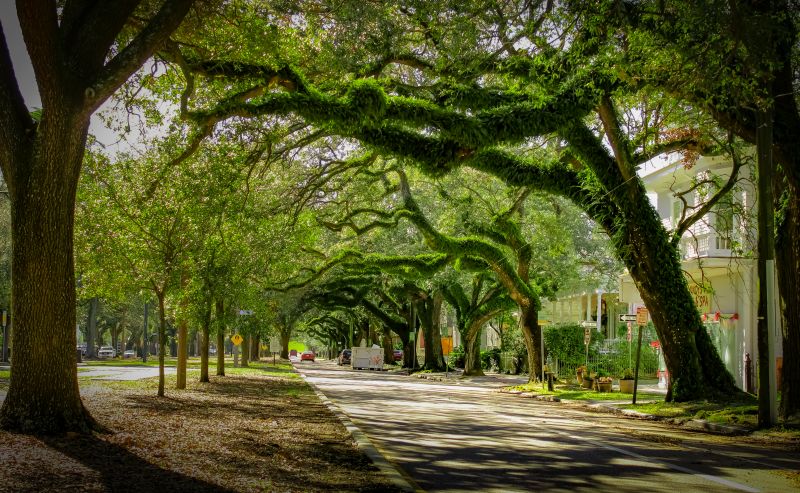
Tree Canopy Thinning Services
Examples of tree canopy thinning work property owners may explore in san jose, ca.
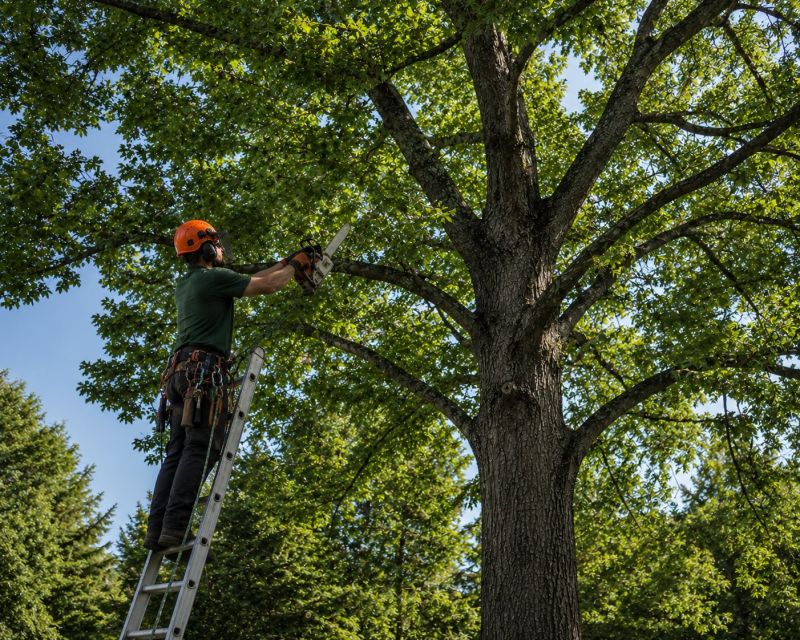
Tree Canopy Thinning Updates
Common ways people refresh, improve, or restore tree canopy thinning features in san jose, ca.
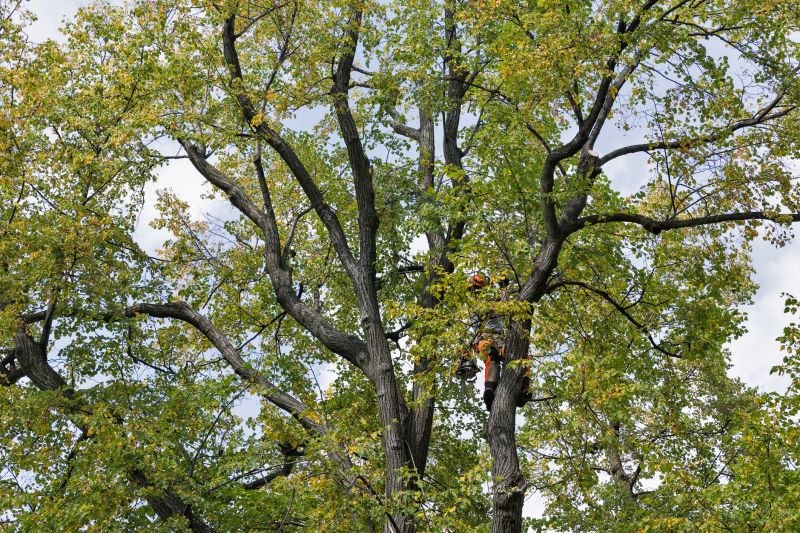
Tree Canopy Thinning Options
Different styles, layouts, and finishes people consider for tree canopy thinning in san jose, ca.
Tree Canopy Thinning in San Jose, CA
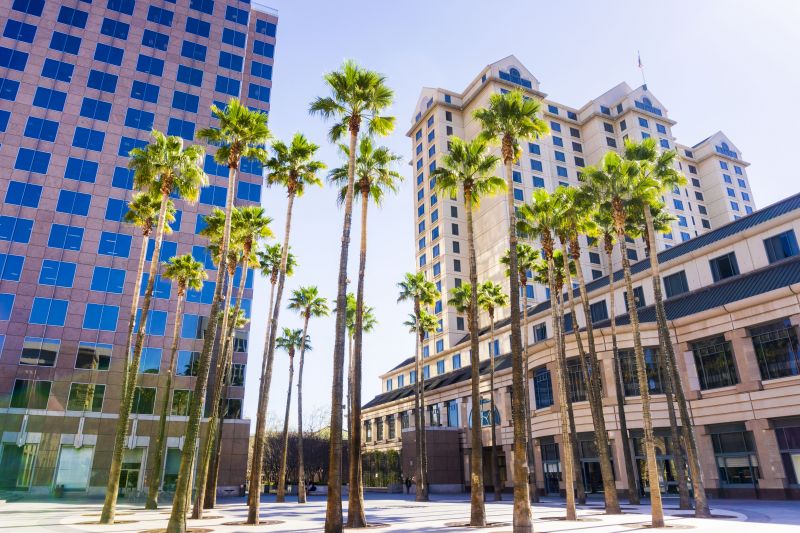
Tree canopy thinning services involve selectively reducing the density and size of tree branches and foliage to improve the overall health, safety, and appearance of a property. This process is often requested for projects such as reducing excessive shading, preventing potential storm damage, improving air circulation, or maintaining the aesthetic balance of the landscape. Property owners typically want to understand which trees can be safely thinned, how the process affects the tree’s vitality, and what the expected outcomes are for their specific property.
Before requesting tree canopy thinning, homeowners usually consider factors like the types of trees on their property, the reasons for thinning, and the desired results. It’s important to evaluate the current condition of the trees, including any signs of disease or structural issues, to ensure proper care during the process. Clear communication about goals and concerns can help determine the most appropriate approach to achieve a healthy, attractive, and safe landscape.
Many property owners in San Jose, CA look into Tree Canopy Thinning for repairs, replacements, upgrades, and appearance-related improvements.
Common Tree Canopy Thinning Jobs
Tree canopy thinning involves reducing dense foliage to improve sunlight and airflow.
Selective pruning removes specific branches to enhance tree health and structure.
Overgrown canopy reduction helps prevent damage to property and nearby structures.
Safety clearance trimming creates space around power lines and walkways.
Storm damage cleanup involves thinning branches to reduce the risk of storm-related hazards.
Tree health management includes thinning to promote healthy growth and prevent disease.
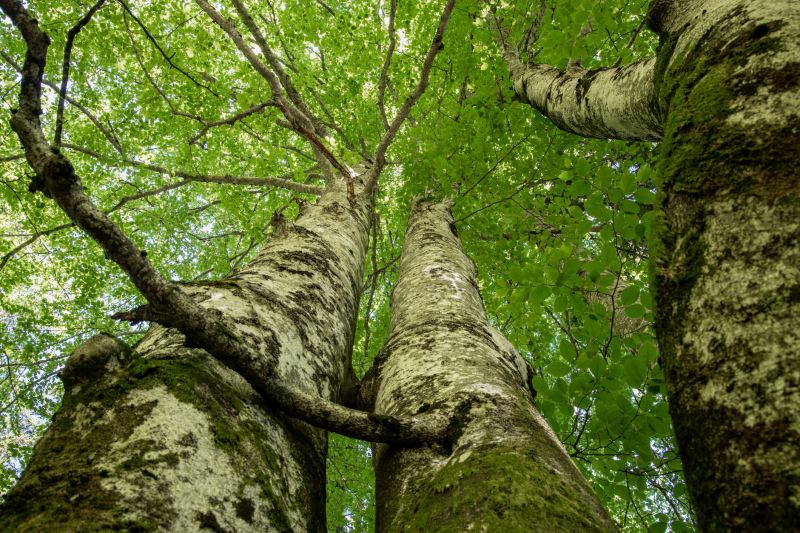
Tree Canopy Thinning Questions
What is tree canopy thinning? Tree canopy thinning involves selectively removing branches to reduce canopy density, improving light and airflow around the tree.
Why consider canopy thinning? Thinning can help prevent storm damage, reduce weight on branches, and promote healthier tree growth.
Which trees benefit from canopy thinning? Mature or overgrown trees that have dense foliage or are at risk of storm damage often benefit from thinning services.
Is canopy thinning suitable for all trees? Not all trees require thinning; a professional assessment can determine if thinning is appropriate for specific tree types and conditions.
Request Tree Canopy Thinning in San Jose, CA
Use the quote form on this page to share the basics of your project and request more information for the type of work you need.